WINTER APPLICATIONS ARE OPEN — DEADLINE SEPTEMBER 25
WINTER APPLICATIONS ARE OPEN — DEADLINE SEPTEMBER 25
WINTER APPLICATIONS ARE OPEN — DEADLINE SEPTEMBER 25

10 Research Opportunities for High School Students
10 Research Opportunities for High School Students
Written by
Written by
George Gatsios, Founder of Delta Institute
George Gatsios, Founder of Delta Institute
Published on
Published on
As a high school student interested in research, joining a guided program can help you build skills that go beyond classroom learning. You get the opportunity to work with a mentor, read academic literature, analyze evidence, and complete a final paper, poster, presentation, or project that you can discuss in applications and interviews.
Below are 10 research opportunities for high school students, including virtual, mentored, and lab-based options to help you get started.
Deepen is an 8-week one-on-one mentorship experience for high schoolers who want to go deeper in one field. Over the course of the program, you work directly with an expert mentor, build advanced skills in a subject you are interested in, and complete a personalized project connected to your academic or career goals.
By the end, you come out with a polished project, focused mentor feedback, and a recommendation letter tied to the work you completed. This makes Deepen useful if you want a portfolio piece that feels substantial, whether that takes the form of a research-style write-up, a prototype, or a structured final presentation.
Cost: $6,500
Location: Virtual
Application Deadline: March 29 (Summer I), April 26 (Summer II)
Program Dates: 8 weeks; available throughout the year
Eligibility: Open to high school students globally
Indigo Research is a one-on-one online research mentorship program designed for high school students who want flexibility. You work with a PhD or postgraduate mentor, choose a topic aligned with your interests, and follow a schedule that can start at any point in the year rather than on a fixed summer calendar.
By the end, you come out with a research paper or another substantial research product, along with publication support and experience working through the full research process with mentor guidance. The high school track runs over 13 weeks with 10 hours of one-on-one sessions, while more advanced options can extend much longer.
Cost: Starts from $3,900
Location: Virtual
Application Deadline: Rolling admissions
Program Dates: Flexible; you can start anytime
Eligibility: Open to high school students globally
Delta AI Immersive is a 12-week one-on-one AI mentorship program with 25 private classes and a total time commitment of 25 hours. During the program, you work through AI foundations, project development, and deployment, and you build two AI projects as part of a tailored learning path designed around real-world applications.
By the end, you come out with completed AI projects, project documentation, a final presentation, a certificate of completion, and a referral letter from an industry expert. You also build experience with Python, machine learning, computer vision, natural language processing, generative AI, and AI ethics while working toward a capstone project with real-world impact.
Cost: $4,800
Location: Virtual
Application Deadline: March 29 (Summer I), April 26 (Summer II). Students can apply here
Program Dates: 12 weeks; available throughout the year
Eligibility: Open to high school students globally
Delta Code Immersive is a 12-week one-on-one coding mentorship program with 25 hours of dedicated mentorship and unlimited teaching assistant support. You choose a pathway such as web development, game development, data science, or app development, then spend the program building an advanced coding project with step-by-step guidance and regular technical feedback.
By the end, you come out with an advanced coding project, a live website or equivalent project output, a GitHub repository, a technical white paper, and a mentor recommendation letter. You also gain hands-on programming skills through a process that moves from project discovery to technical setup, build and iteration, expert review, and final portfolio completion.
Cost: $4,800
Location: Virtual
Application Deadline: March 29 (Summer I), April 26 (Summer II). Students can apply here
Program Dates: 12 weeks; available throughout the year
Eligibility: Open to high school students globally
HSRA is a five-week in-person research experience at UT Austin that takes place in the summer. During the program, you are placed in an active research lab, spend about 15 to 25 hours each week with your research group, and complete coursework connected to UT extension credit.
By the end, you come out with a printed research poster and a symposium presentation, along with university extension course credit. This gives you both a real lab experience and a concrete academic outcome that is easy to explain in future applications.
Cost: $4,000
Location: The University of Texas at Austin, Austin, TX
Application Deadline: March 22
Program Dates: June 8 to July 15
Eligibility: Open to rising sophomores, juniors, and seniors; you must be 15 or older by the start of the program and Texas residents are prioritized
Wistar’s High School Fellowship in Biomedical Research is a four-week in-person biomedical research experience in Philadelphia. You spend 4 days in Wistar’s training lab, learn laboratory techniques, and work in a setting focused on real biomedical research.
By completing the fellowship, you come out with hands-on lab experience, a final presentation, SEPTA support for transportation, and a $1,500 stipend for successful completion. A select group may also continue for an additional three weeks of mentored cancer research, depending on funding.
Cost: No cost; stipend of $1,500 for successful completion
Location: The Wistar Institute, Philadelphia, PA
Application Deadline: March 20
Program Dates: July 6 to July 30
Eligibility: You must be at least 16 by the start of the program and must have completed at least one high school science course
ASDRP is a long summer research experience that runs from June to August. You spend the term working on STEM research with a sustained timeline rather than a short camp format, which gives you more room to develop, revise, and strengthen your work over the summer. By the end of the program, you gain strong research, writing, presentation, and public speaking skills, and have time to work toward relevant and in-depth research papers.
Cost: $0 to $1,070
Location: Fremont, CA / Bay Area
Application Deadline: February 1, March 1, or April 15, depending on the priority round
Program Dates: June 1 to August 30
Eligibility: Open to rising 9th through 12th graders
The iResearch Institute runs a five-week virtual summer research program. During the program, you work through research methodology, project development, and scientific writing in a structured online format designed for high school and early college participants.
Upon completion, you will have a research paper, a presentation, and mentor feedback. You also receive post-program critiques and edits on your written and presentation work, which helps turn the final project into something more polished and useful for later applications or competitions.
Cost: $6,978
Location: Virtual
Application Deadline: April 17
Program Dates: June 22 to July 24
Eligibility: Grade 8 to 12
Columbia University’s Summer Research Program offers high school students the opportunity to engage in computer science research. As a participant, you will act as a research assistant in the field of data science and computer science. Working alongside Columbia professors and PhD students, you will contribute to real-wrold research projects at the intersection of data/computer science and various other fields.
You will gain hands-on skills such as data analysis, web scraping, data visualization and cleaning, programming in R, research protocol, and more. The program concludes with a final presentation and a certificate of completion.
Cost: To be announced ($3,995 based on previous years)
Location: Virtual
Application Deadline: To be announced
Program Dates: To be announced
Eligibility: 10-12 grade students
RSI is a research program geared towards STEM-focused high school students. As a participant, you engage in scientific research at MIT. The program is highly competitive and is hosted by the Center for Excellence in Education. Each year, 100 students are selected to participate in on-campus coursework in scientific theory along with research in science and technology.
You will be a part of intensive STEM classes with professors from MIT and spend five weeks conducting research under the guidance of experienced mentors who are scientists and researchers. By the end of the program, you will be expected to present your findings through written and oral presentations.
Cost: $75 application fee
Location: Massachusetts Institute of Technology, Cambridge, MA
Application Deadline: Second week of December
Program Dates: 6 weeks in the summer
Eligibility: High school juniors who meet RSI’s academic prerequisites
As a high school student interested in research, joining a guided program can help you build skills that go beyond classroom learning. You get the opportunity to work with a mentor, read academic literature, analyze evidence, and complete a final paper, poster, presentation, or project that you can discuss in applications and interviews.
Below are 10 research opportunities for high school students, including virtual, mentored, and lab-based options to help you get started.
Deepen is an 8-week one-on-one mentorship experience for high schoolers who want to go deeper in one field. Over the course of the program, you work directly with an expert mentor, build advanced skills in a subject you are interested in, and complete a personalized project connected to your academic or career goals.
By the end, you come out with a polished project, focused mentor feedback, and a recommendation letter tied to the work you completed. This makes Deepen useful if you want a portfolio piece that feels substantial, whether that takes the form of a research-style write-up, a prototype, or a structured final presentation.
Cost: $6,500
Location: Virtual
Application Deadline: March 29 (Summer I), April 26 (Summer II)
Program Dates: 8 weeks; available throughout the year
Eligibility: Open to high school students globally
Indigo Research is a one-on-one online research mentorship program designed for high school students who want flexibility. You work with a PhD or postgraduate mentor, choose a topic aligned with your interests, and follow a schedule that can start at any point in the year rather than on a fixed summer calendar.
By the end, you come out with a research paper or another substantial research product, along with publication support and experience working through the full research process with mentor guidance. The high school track runs over 13 weeks with 10 hours of one-on-one sessions, while more advanced options can extend much longer.
Cost: Starts from $3,900
Location: Virtual
Application Deadline: Rolling admissions
Program Dates: Flexible; you can start anytime
Eligibility: Open to high school students globally
Delta AI Immersive is a 12-week one-on-one AI mentorship program with 25 private classes and a total time commitment of 25 hours. During the program, you work through AI foundations, project development, and deployment, and you build two AI projects as part of a tailored learning path designed around real-world applications.
By the end, you come out with completed AI projects, project documentation, a final presentation, a certificate of completion, and a referral letter from an industry expert. You also build experience with Python, machine learning, computer vision, natural language processing, generative AI, and AI ethics while working toward a capstone project with real-world impact.
Cost: $4,800
Location: Virtual
Application Deadline: March 29 (Summer I), April 26 (Summer II). Students can apply here
Program Dates: 12 weeks; available throughout the year
Eligibility: Open to high school students globally
Delta Code Immersive is a 12-week one-on-one coding mentorship program with 25 hours of dedicated mentorship and unlimited teaching assistant support. You choose a pathway such as web development, game development, data science, or app development, then spend the program building an advanced coding project with step-by-step guidance and regular technical feedback.
By the end, you come out with an advanced coding project, a live website or equivalent project output, a GitHub repository, a technical white paper, and a mentor recommendation letter. You also gain hands-on programming skills through a process that moves from project discovery to technical setup, build and iteration, expert review, and final portfolio completion.
Cost: $4,800
Location: Virtual
Application Deadline: March 29 (Summer I), April 26 (Summer II). Students can apply here
Program Dates: 12 weeks; available throughout the year
Eligibility: Open to high school students globally
HSRA is a five-week in-person research experience at UT Austin that takes place in the summer. During the program, you are placed in an active research lab, spend about 15 to 25 hours each week with your research group, and complete coursework connected to UT extension credit.
By the end, you come out with a printed research poster and a symposium presentation, along with university extension course credit. This gives you both a real lab experience and a concrete academic outcome that is easy to explain in future applications.
Cost: $4,000
Location: The University of Texas at Austin, Austin, TX
Application Deadline: March 22
Program Dates: June 8 to July 15
Eligibility: Open to rising sophomores, juniors, and seniors; you must be 15 or older by the start of the program and Texas residents are prioritized
Wistar’s High School Fellowship in Biomedical Research is a four-week in-person biomedical research experience in Philadelphia. You spend 4 days in Wistar’s training lab, learn laboratory techniques, and work in a setting focused on real biomedical research.
By completing the fellowship, you come out with hands-on lab experience, a final presentation, SEPTA support for transportation, and a $1,500 stipend for successful completion. A select group may also continue for an additional three weeks of mentored cancer research, depending on funding.
Cost: No cost; stipend of $1,500 for successful completion
Location: The Wistar Institute, Philadelphia, PA
Application Deadline: March 20
Program Dates: July 6 to July 30
Eligibility: You must be at least 16 by the start of the program and must have completed at least one high school science course
ASDRP is a long summer research experience that runs from June to August. You spend the term working on STEM research with a sustained timeline rather than a short camp format, which gives you more room to develop, revise, and strengthen your work over the summer. By the end of the program, you gain strong research, writing, presentation, and public speaking skills, and have time to work toward relevant and in-depth research papers.
Cost: $0 to $1,070
Location: Fremont, CA / Bay Area
Application Deadline: February 1, March 1, or April 15, depending on the priority round
Program Dates: June 1 to August 30
Eligibility: Open to rising 9th through 12th graders
The iResearch Institute runs a five-week virtual summer research program. During the program, you work through research methodology, project development, and scientific writing in a structured online format designed for high school and early college participants.
Upon completion, you will have a research paper, a presentation, and mentor feedback. You also receive post-program critiques and edits on your written and presentation work, which helps turn the final project into something more polished and useful for later applications or competitions.
Cost: $6,978
Location: Virtual
Application Deadline: April 17
Program Dates: June 22 to July 24
Eligibility: Grade 8 to 12
Columbia University’s Summer Research Program offers high school students the opportunity to engage in computer science research. As a participant, you will act as a research assistant in the field of data science and computer science. Working alongside Columbia professors and PhD students, you will contribute to real-wrold research projects at the intersection of data/computer science and various other fields.
You will gain hands-on skills such as data analysis, web scraping, data visualization and cleaning, programming in R, research protocol, and more. The program concludes with a final presentation and a certificate of completion.
Cost: To be announced ($3,995 based on previous years)
Location: Virtual
Application Deadline: To be announced
Program Dates: To be announced
Eligibility: 10-12 grade students
RSI is a research program geared towards STEM-focused high school students. As a participant, you engage in scientific research at MIT. The program is highly competitive and is hosted by the Center for Excellence in Education. Each year, 100 students are selected to participate in on-campus coursework in scientific theory along with research in science and technology.
You will be a part of intensive STEM classes with professors from MIT and spend five weeks conducting research under the guidance of experienced mentors who are scientists and researchers. By the end of the program, you will be expected to present your findings through written and oral presentations.
Cost: $75 application fee
Location: Massachusetts Institute of Technology, Cambridge, MA
Application Deadline: Second week of December
Program Dates: 6 weeks in the summer
Eligibility: High school juniors who meet RSI’s academic prerequisites
About the Author
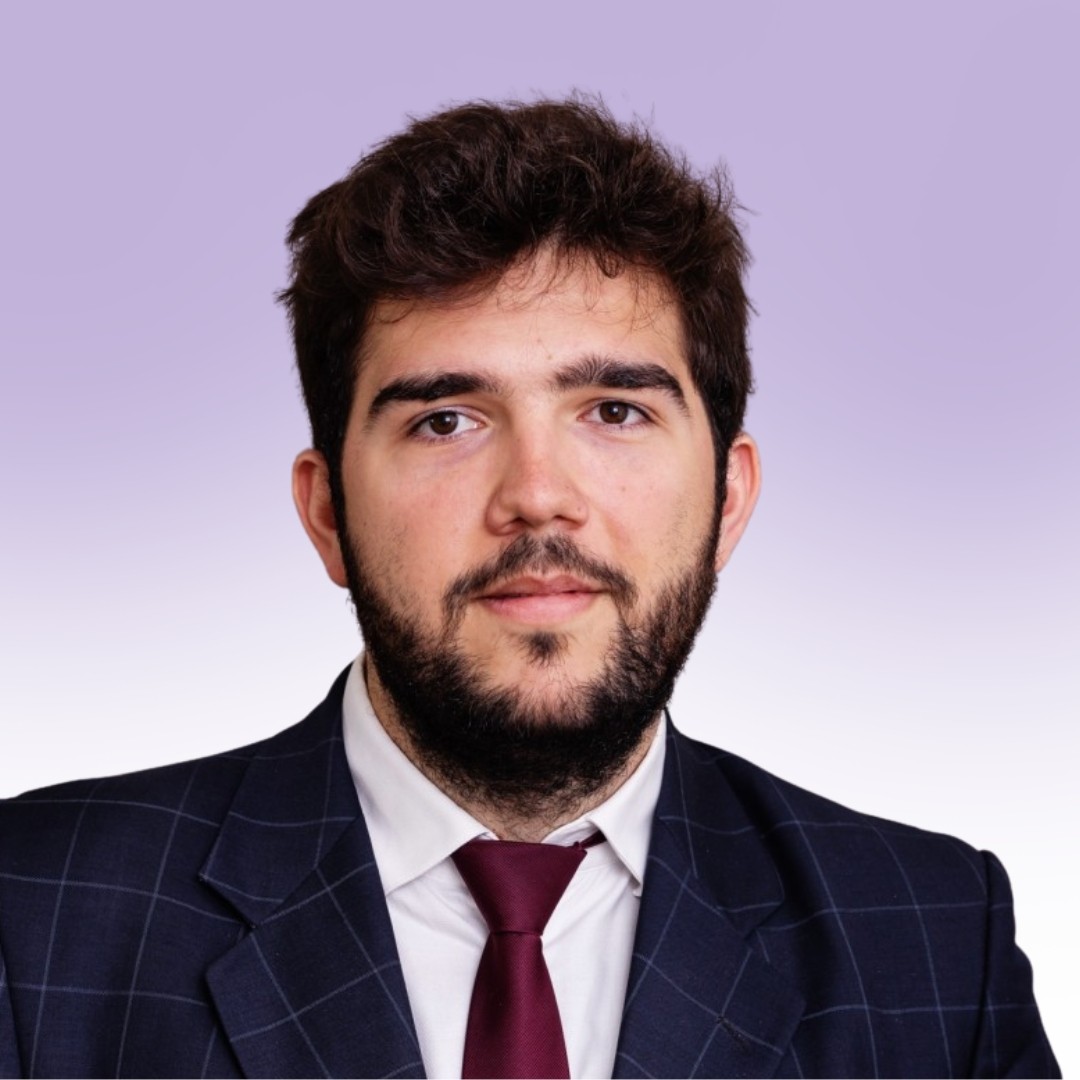
George Gatsios holds a BA and MA in Economics from the University of Cambridge and is the founder of Delta Institute. He leads the organisation’s global strategy, overseeing programme design, partnerships, operations, and product innovation across education, career development, and technology. His work centers on building scalable, hands-on learning experiences that connect students with real-world industry exposure and future-ready skills. Alongside his leadership at Delta Institute, George serves as a Research Assistant in Economics at the University of Cambridge and London Business School, contributing to research at the intersection of economic theory, empirical analysis, and policy. He is an active member of the International Baccalaureate Educator Network (IBEN) and a strong advocate for lifelong learning and internationally minded education.
Turn Insights into Action
Fill in the form to talk to our team and learn more about how Delta Institute can help you!
Turn Insights into Action
Fill in the form to talk to our team and learn more about how Delta Institute can help you!


Jul 17, 2026

Jul 17, 2026

Jul 17, 2026
Jun 11, 2026